Indoor water extraction
Extraction equipment removes accessible standing water from affected rooms, helping prepare floors and nearby materials for the next stage of drying.
Indoor leaks and overflows
When a pipe leaks, an appliance connection fails, or a fixture overflows, the work can extend beyond removing visible water. Explore extraction, drying, and cleanup for the affected indoor space.
Need cleanup after an indoor water leak?
Call (657) 976-8927Services offered by independent providers.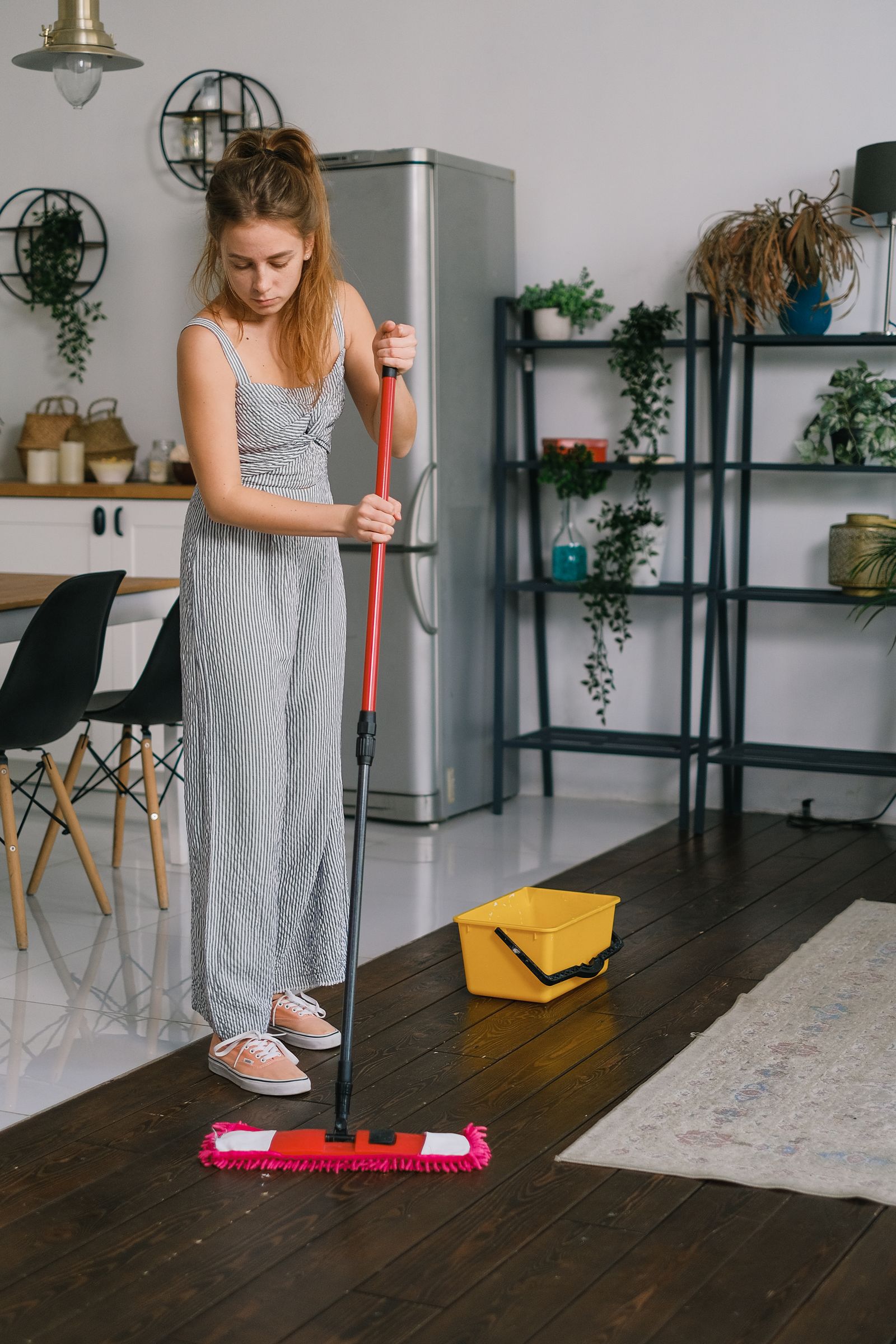
Service is focused on supported indoor sources, including household plumbing leaks, burst pipes, appliance leaks, and fixture overflows.
Extraction equipment removes accessible standing water from affected rooms, helping prepare floors and nearby materials for the next stage of drying.
Checks can help identify moisture in flooring, walls, baseboards, and adjacent areas that may not look wet at the surface.
Air movement and dehumidification may be used to dry affected building materials, with moisture readings informing the progress.
The source, affected materials, and water condition determine the cleanup approach and which finishes or materials may need restoration.
Drying after a household leak
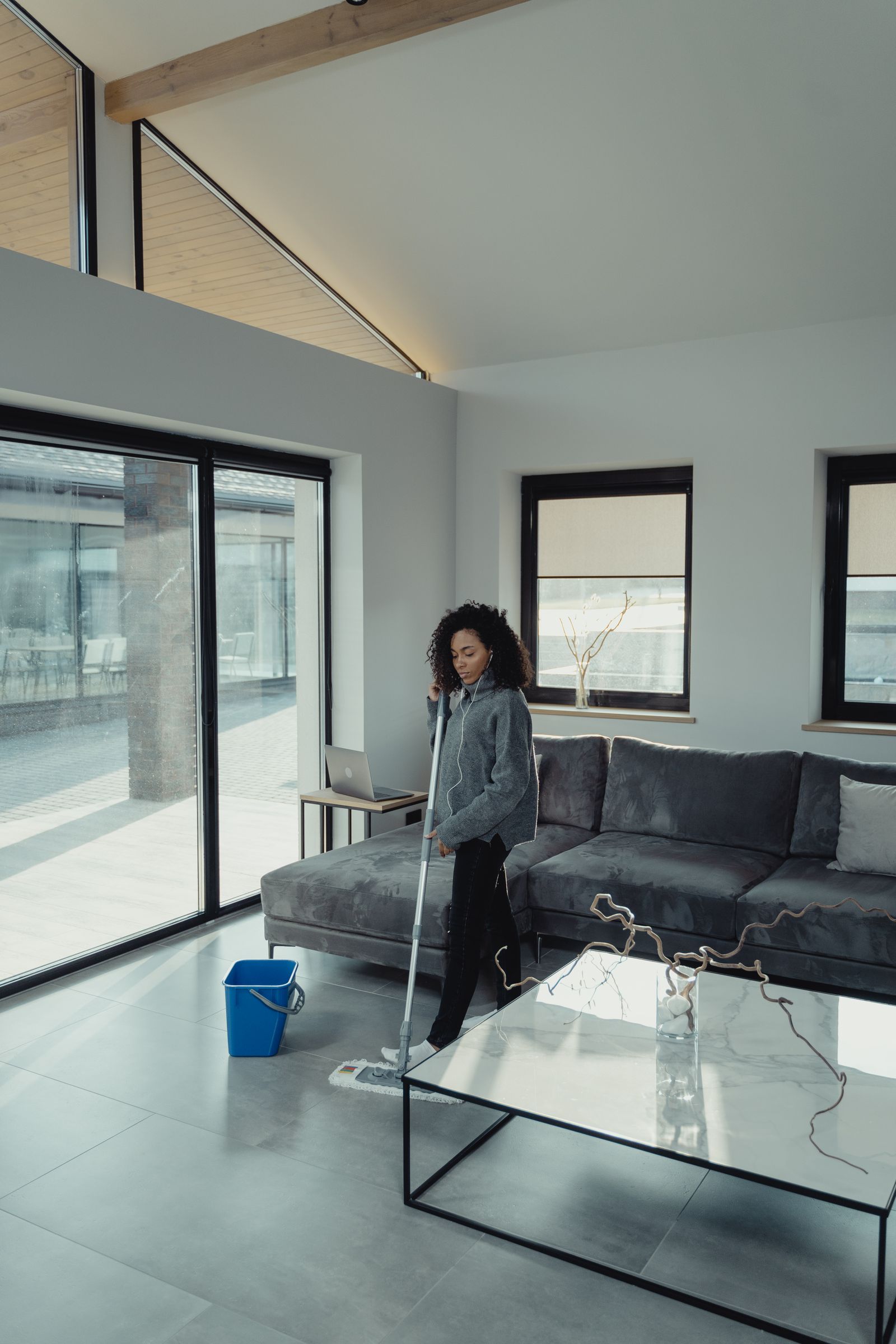
Water can travel under a floor covering or reach the edge of a wall. An indoor drying plan considers the materials involved, nearby spaces, and measured moisture—not just what is visible.
A useful detail
A burst pipe or failed household connection can release water into cabinets, wall areas, or floors. The water source needs to be stopped before drying can progress.
Dishwasher, washing-machine, and refrigerator connections can affect flooring and nearby cabinetry, including spaces hidden from view.
A sink, tub, or toilet overflow can spread into an adjoining room. The source and condition of the water guide the cleanup approach.
Good to know
This category is for supported indoor sources such as plumbing leaks, burst pipes, appliance leaks, and fixture overflows. A provider determines the cleanup and drying work it can accept.
Moisture may remain in floor assemblies, wall edges, and other materials. Extraction removes accessible water; drying addresses the moisture that remains.
The affected materials, amount of moisture, room conditions, and access all influence drying time. A provider can assess progress through moisture checks.
Keep away from wet electrical outlets, cords, and equipment. Only stop the water source if it is safe to do so, and avoid walking through affected areas unnecessarily.
Call about water extraction, drying, and cleanup after a supported indoor source.