Ants & cockroaches
Kitchens, pantries, and damp utility areas can offer food and moisture. Treatment considers activity paths and areas where pests may be sheltering.
Household pest control
Find service for common household pests, with a focus on identification, where they are active, and the conditions that bring them indoors.
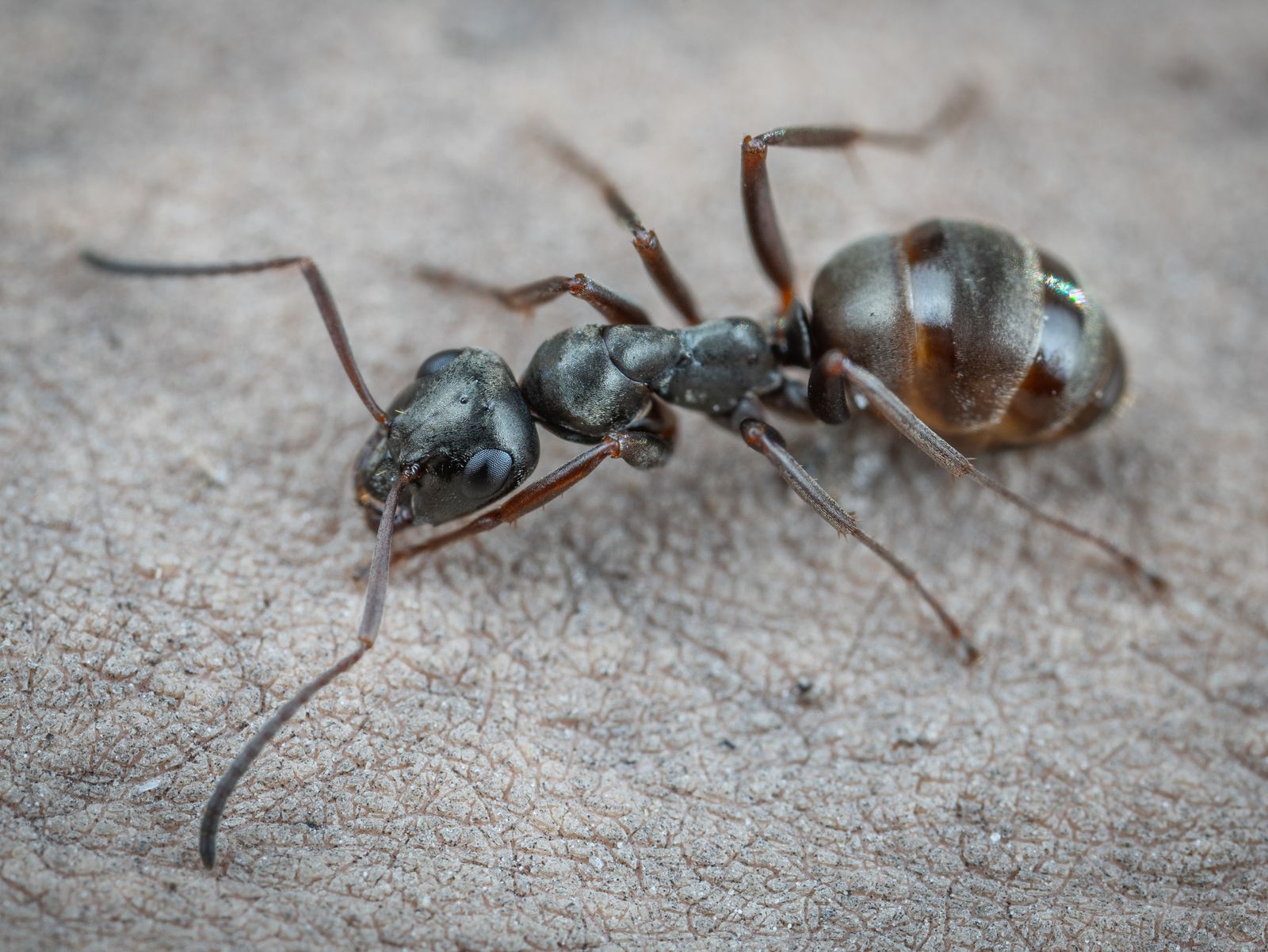
Service methods depend on the pest, the location of activity, and the home. Exact pest coverage varies by participating provider.
Kitchens, pantries, and damp utility areas can offer food and moisture. Treatment considers activity paths and areas where pests may be sheltering.
Activity near stored food, cabinets, or utility openings can point to access and nesting areas. Service may include targeted control and entry-point recommendations.
Mud tubes, discarded wings, or changes in exposed wood can warrant a termite assessment. Available treatment depends on identification and the property.
Ask about spiders, house crickets, earwigs, silverfish, clothes moths, centipedes, and millipedes. The provider determines which of these pests it services.
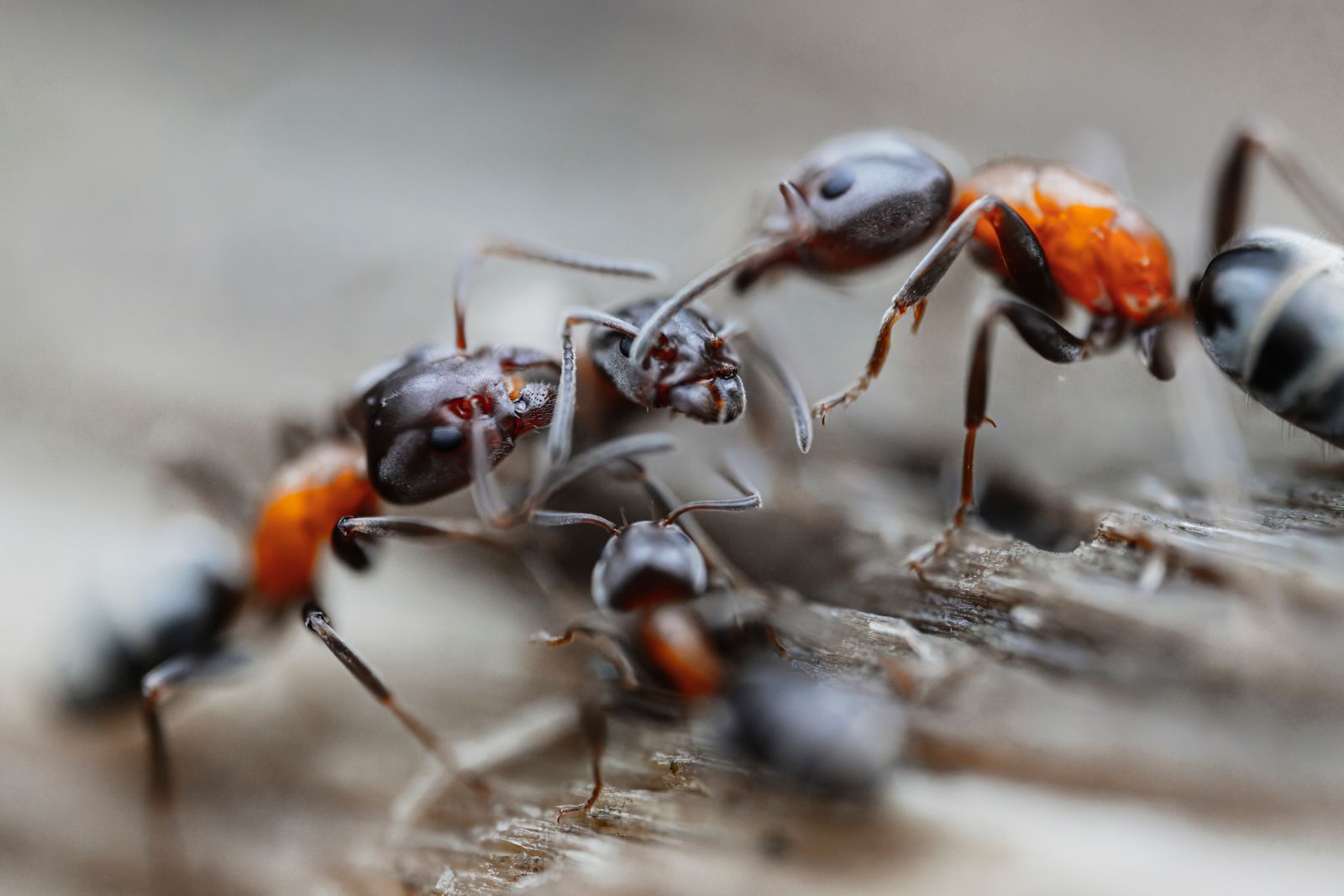
Ant activity
Ants may follow a food source or enter where moisture is available. Identification helps a provider choose a targeted approach, while changes to storage and access reduce what attracts them.
A useful detail
Use sealed containers, clean beneath small appliances, and keep indoor waste in a container with a well-fitting lid.
Keep under-sink cabinets dry, empty plant trays, and improve ventilation in areas that stay damp.
Check door sweeps, window screens, and gaps around pipes. Appropriate sealing can reduce access for household pests.
Good to know
Participating providers may service ants, spiders, cockroaches, house crickets, mice, earwigs, silverfish, clothes moths, centipedes, millipedes, and termites. Actual coverage varies by provider and location.
Different pests use different food sources, shelter, and entry routes. Identification helps determine where to inspect and which treatment approach may be appropriate.
Sealing food, cleaning crumbs and sticky residue, reducing accessible moisture, and addressing entry points can support a targeted treatment approach.
Mud tubes on accessible surfaces, discarded wings, and changes in exposed wood may warrant an assessment. A provider can determine whether termites are present and discuss applicable treatment.
Call to ask about approved pest services available for your home.