Air conditioning
Warm air at the vents, frequent cycling, or reduced cooling can call for inspection of the outdoor unit, indoor components, and system controls.
Residential heating and cooling
Explore service for the systems that heat, cool, and move air through your home—from equipment concerns to a new installation.
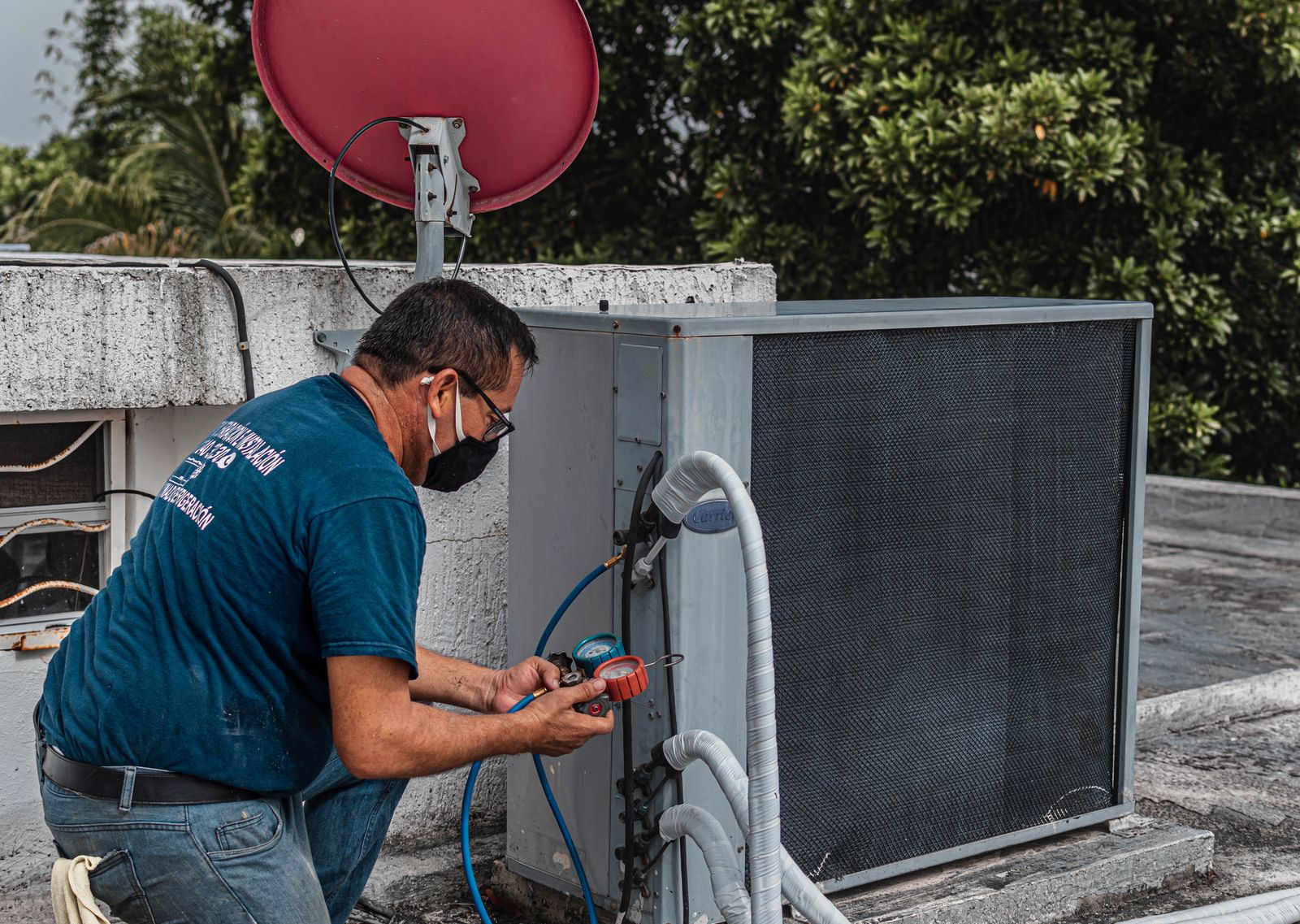
Heating and cooling concerns can involve the equipment, controls, or airflow. Service begins with understanding how those parts work together.
Warm air at the vents, frequent cycling, or reduced cooling can call for inspection of the outdoor unit, indoor components, and system controls.
Explore diagnosis, routine service, replacement, or installation for residential heating equipment and heat-pump systems.
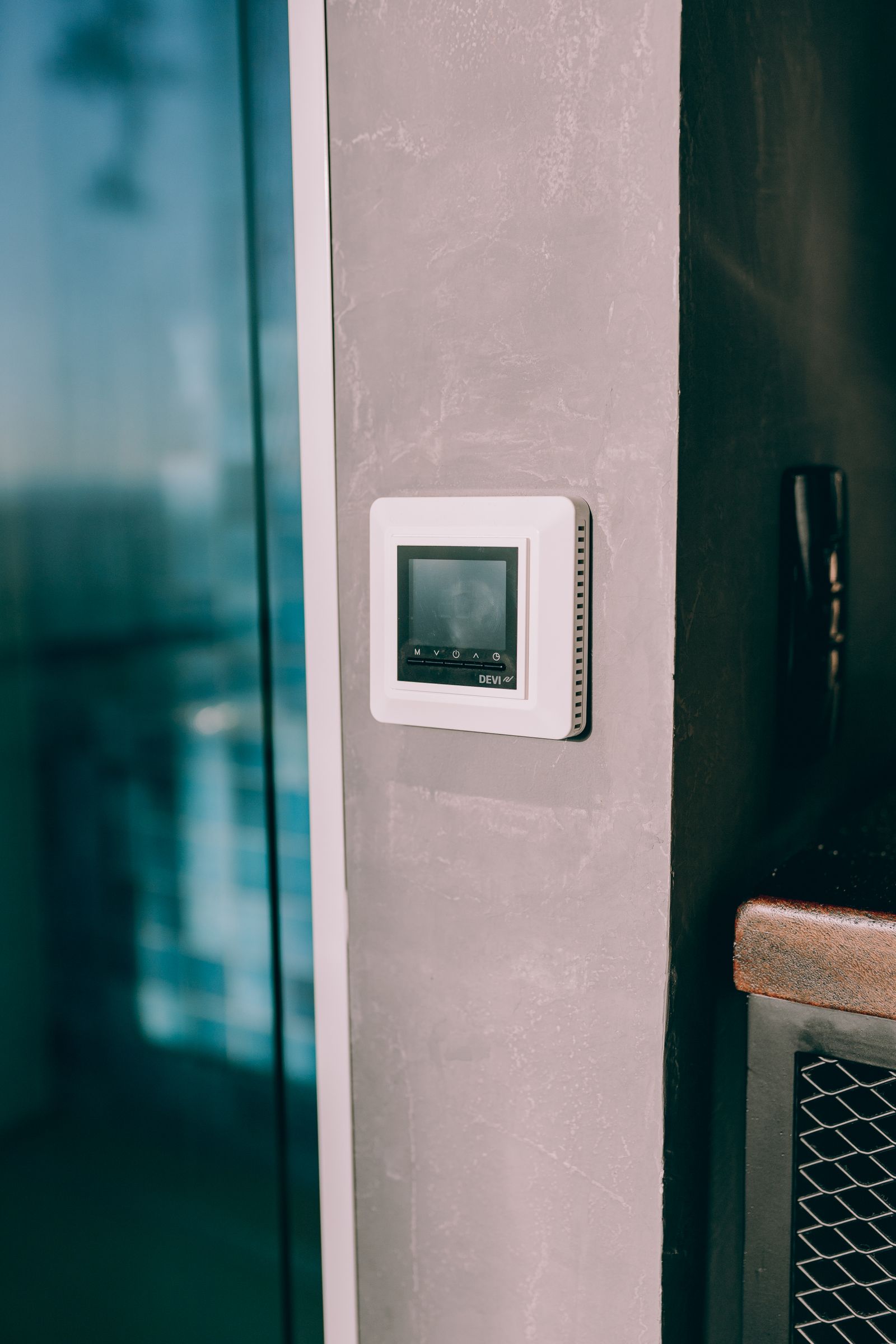
Temperature settings, control connections, and thermostat compatibility affect when the system runs and how it responds.
Filters, supply and return airflow, and equipment condition all play a part in comfort. A provider can assess concerns and suitable service.
Equipment service and replacement
When it is time for new equipment, bigger is not automatically better. Home size, insulation, ductwork, and heating or cooling demand help determine a suitable system and installation.
A useful detail
Check the filter according to the equipment instructions. Use a replacement type and size that suit the system.
Keep supply registers and return grilles clear of furniture, rugs, and stored items so air has room to move.
Keep the surrounding area free of loose leaves and vegetation. Do not remove panels or reach into moving equipment.
Good to know
Room layout, sun exposure, insulation, duct connections, and airflow can all contribute. A heating and cooling provider can assess how the system serves the affected room.
Many residential heat pumps are designed for both modes. The suitable equipment and setup depend on the home, climate, and existing system.
A compatible thermostat can improve control and scheduling, but it will not resolve every equipment or airflow concern. Compatibility should be checked before installation.
Frequent service needs, changing comfort requirements, equipment age, and the suitability of the existing system can all inform a replacement decision. A provider can assess the equipment.
Call for heating, cooling, and residential HVAC service options.